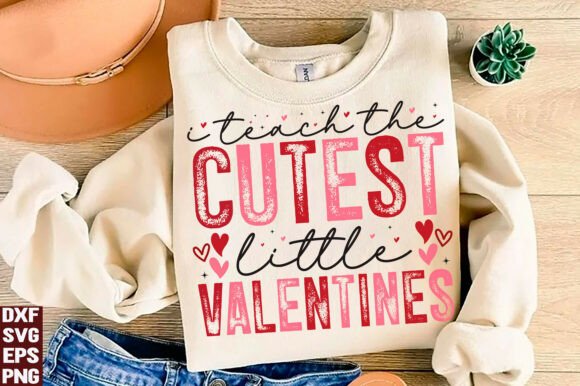
A Sweet Design for Teacher Appreciation Gifts
The First Glance: A Cohesive Valentine Mood
When you open the Teacher Valentine I Teach Sweet Hearts file, the immediate impression is one of cohesive charm. It’s not a complex, sprawling layout; it feels focused and intentional. The theme is clear—a Valentine's sentiment tailored for educators—and the visual personality is sweet without being overly childish. This isn't a generic heart graphic; the integration of the message suggests it's meant for a specific, appreciative audience. For an embroidery designer, this means the design naturally belongs to projects where the recipient is known and valued: personalized gifts, custom apparel for a favorite teacher, or small shop merchandise aimed at the school community.
Where This Design Performs Beautifully
In real-life embroidery situations, this design’s strength lies in its versatility for heartfelt projects. Imagine you’re preparing a custom embroidered sweatshirt for a teacher’s gift from a class. The design’s scale and detail level would stitch out cleanly on a mid-weight cotton blend, creating a professional-looking handmade product. It’s equally suitable for a tote bag—a popular teacher gift—where the satin stitches and fill stitches would stand up well to light use. As a baby item? Perhaps not, but for an apron, a kitchen towel in a teacher’s home, or a simple pillow cover as a holiday gift, it fits perfectly. For Etsy sellers or boutique owners, this graphics file could be the centerpiece of a limited-run Valentine’s collection, offering a ready-made design asset that feels personal.
Thinking Beyond Fabric: The Digital Product Angle
For creative entrepreneurs selling digital products, the Teacher Valentine I Teach Sweet Hearts design offers clear utility. Its clean layout makes it a strong candidate for printable mockups to showcase your embroidery services, or as a preview image in your shop listing. The design’s appeal in a digital embroidery file is its straightforward composition; it’s easy for a buyer to visualize it stitched on a cap, a tea towel, or as an embroidered patch. This clarity aids buyer engagement and trust—they can see exactly what they’re getting for their craft business or personal project.
Practical Considerations Before Hooping Up
While the mood is right, a practical designer always thinks through execution. The design description mentions it's a cutting file compatible with software like Cricut and Silhouette, which suggests vector-based artwork. For machine embroidery, this means we need a converted embroidery file. This is a crucial first step: always confirm you have the correct file format for your machine and the intended technique—whether it’s for direct embroidery or perhaps an appliqué design where the heart could be a fabric piece with satin stitch borders.
Spotting Potential Stitching Challenges
Where should this design be used carefully? Look at the lettering. “I Teach Sweet Hearts” likely involves smaller details. On textured fabrics like a woven blanket, or on stretchy fabric like a standard t-shirt, tiny lettering can lose clarity if the stitch density isn’t optimized. On dark fabric, thread color contrast is paramount—a pale pink thread on a black sweatshirt needs excellent coverage. For curved surfaces like caps, the design’s shape would need testing to ensure it doesn’t distort. Dense stitch areas in the heart element could become overly thick on thin fabrics like a baby bib, affecting both the look and the fabric’s drape. The advice here is universal: test the design on scrap fabric first, using the same stabilizer and fabric type as your final project.
How This Design Adds Value to Your Work
From a business perspective, using a design like Teacher Valentine I Teach Sweet Hearts affects more than just the stitchout. Its recognisable, professional execution enhances the perceived value of your finished product. A clean, well-stitched version on a high-quality sweatshirt feels like a premium gift, increasing its giftability. For a small shop product, consistent results with this design across multiple items—like a series of embroidered pillow covers for a holiday market—build brand consistency. It shows you understand your niche. The design’s inherent sweetness, when embroidered with care, reinforces customer trust in your handmade presentation. They see a thoughtful, complete idea, not just a random graphic.
Essential Designer Notes for a Smooth Project
Here are my practical notes before you run this machine embroidery design. Always check the actual stitch count and hoop size requirements once you have the embroidery file; don’t assume. Inspect the small details in your software—are the corners of the heart cleanly digitized for smooth satin stitches? Test the design in black and white mockups on both light and dark background visuals to judge contrast. Use proper stabilizer; for a design with potential density, a firm cutaway might be needed for garments that will undergo frequent washing. Most importantly, confirm the licensing terms before selling finished items or digital products derived from the file. The product is categorised under T-Shirt Designs and Graphics, but the license for commercial use of the embroidered end product must be clear.
The Final Verdict for Real Project Use
The Teacher Valentine I Teach Sweet Hearts design is a confident choice for specific, appreciation-focused embroidery projects. It creates a warm, targeted mood that translates well into custom apparel and personalized gifts. Its performance on real products like tote bags, sweatshirts, and home decor items is likely to be excellent, provided you navigate the details—lettering size, fabric choice, and proper digitization for embroidery—with a practical eye. For the crafter, hobbyist, or small business owner looking to add a heartfelt, professional touch to their holiday embroidery or craft business offerings, this design is a solid, appealing asset. Just remember the golden rule: test, check, and then stitch with confidence.