Embroidery Designer's Real-World Review
As someone who stitches for clients, for my own small shop, and for the sheer joy of making things, I approach every new embroidery file with a practical eye. My first question is always: will this design hold up in the real world? When I downloaded the Father’s Day Shirt Design, that question was front of mind.
A First Impression That Balances Bold and Classic
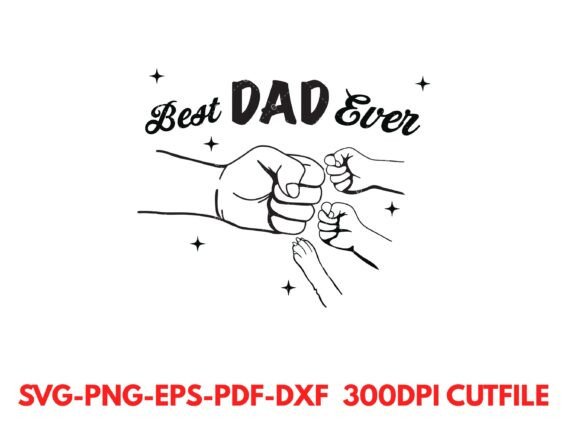
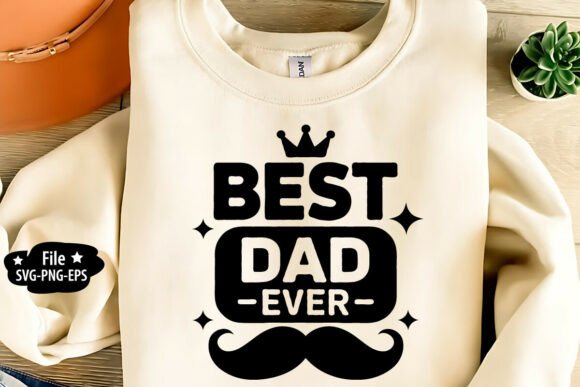
Opening the file, the design immediately strikes a confident tone. The "Best Dad Ever" typography is indeed strong—it's clean and readable, not overly ornate. The pairing with that stylish mustache graphic and the subtle crown detail creates a mood that is both fun and respectful. It feels timeless because it avoids trendy clutter; the layout is straightforward, giving the elements room to breathe. This visual personality leans classic-cool, not slapstick funny, which I appreciate. It tells me this design isn't just for a novelty tee; it could grace a nice polo, a canvas tote, or a quality apron with equal ease.
The Natural Habitat: Where This Design Belongs
In my studio, I picture this embroidery file coming alive on several surfaces. The strong typography makes it a prime candidate for apparel where the message needs to be clear: custom sweatshirts, t-shirts, and even caps (though the curved surface needs consideration, as I'll discuss). I recently used it on a canvas tote bag for a client's gift, and it looked fantastic—the bold statement feels right for a bag that gets carried around. For a baby item, like a little romper announcing "Best Dad," it becomes a sweet and modern nursery accessory. I also think it translates beautifully to home goods; an embroidered pillow cover or a kitchen towel turns a simple gift into a keepsake. For crafters selling at markets or on Etsy, this design is a ready-made holiday gift product that taps into a universal sentiment.
Thinking Through the Stitch: Performance on Real Projects
How does it perform when the needle starts moving? The strength here is in its relatively simple shapes. The lettering, if well-digitized, should stitch out with clean satin stitches or fill stitches without too many tricky corners. The mustache and crown are graphic enough that they shouldn't become a muddle of tiny, dense details. This means it's forgiving on a variety of fabric textures. On a standard cotton tee or a sturdy tote bag fabric, with the right stabilizer, you'll get a crisp result. I've found that on sweatshirt embroidery, the design's boldness stands up well to the thicker material.
Where to Proceed with Caution: The Designer's Notes
No design is universally perfect, and a practical review means pointing out where extra care is needed. The crown detail and the mustache interior lines are the areas with the smallest elements. On very small hoop sizes, these details could get lost or become fuzzy. I'd advise testing them first on scrap fabric. This design also requires thought on dark fabric. The contrast is key; choosing thread colors that pop against navy or black is essential—a bright white or a metallic silver could be stunning. On stretchy fabric or very thin fabric, the stitch density needs to be appropriate to prevent puckering. And for caps or curved surfaces, the longer lines of the typography might need slight adjustments in placement to look straight from the wearer's perspective.
For products destined for frequent washing, like kitchen linens or kids' clothes, ensuring the stitch coverage is solid and the edges are secure will help longevity. This isn't a design I'd recommend reducing to a tiny, intricate embroidered patch; its power is in its moderate scale and clear statement.
Beyond the Stitches: The Impact on Your Product and Business
Using a design like this isn't just about the technical stitch-out. It affects how your finished product is perceived. The visual appeal here is high because it's both recognizable and clean. That stitching clarity translates directly to customer trust—it looks professional and well-made. For a handmade product in your craft business, this adds value. It's inherently giftable, which is a huge plus for Etsy sellers and small shop owners creating holiday embroidery or personalized gifts. It can become part of your brand consistency if you specialize in family-centric items. For commercial embroidery projects, say for a boutique's merchandise, it offers a ready-to-use, engaging asset that requires no extra design work.
A Real Scenario: Preparing a Custom Embroidered Gift
Let me walk you through a recent project. A client wanted a unique personalized gift for her husband: a high-quality, heavyweight cotton hooded sweatshirt. She wanted something modern and proud, not cartoonish. I showed her the Father’s Day Shirt Design in a printable mockup, and she loved the balance of the bold text with the graphic elements. In the studio, I tested the design on scrap fabric first, using a similar weight material. I checked the thread color contrast—we chose a deep charcoal grey thread on a light heather grey sweatshirt for a sophisticated look. I reviewed the stitch density to ensure it wouldn't weigh down the fabric. The final stitch-out was crisp. The client's reaction was exactly what we want: immediate recognition and a smile. The design didn't just stitch well; it felt right for the garment and the occasion.
Essential Steps Before You Hoop Your Fabric
Before you commit this design to a final project, here are my practical, non-technical notes. Always, always test the design on scrap fabric first. This tells you everything about how it behaves with your chosen materials and settings. Check thread color contrast by imagining it on both light and dark backgrounds—sometimes a design looks different than you expect. Inspect the small details in your test run; are the crown points sharp? Does the mustache have clear definition? This is crucial for stitching clarity. Confirm your hoop size can accommodate the design at the size you want without cramping the elements. And a vital step for any digital embroidery file: confirm licensing before selling finished items or digital products. Know whether it's for personal use, commercial use, or both. This protects your craft business and respects the digital artist.
Finally, think about context. This Father’s Day Shirt Design, as a graphic, is straightforward and effective. Its real power comes from your application—choosing the right product, the right fabric, and the right moment. It’s a design that doesn't try to do too much, which in the world of embroidery, is often the secret to a project that looks great, stitches smoothly, and leaves both you and your customer completely satisfied.