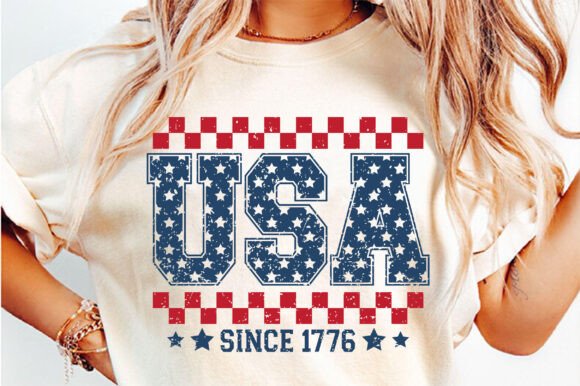
USA Since 1776 Svg: A Versatile Graphic for Patriotic T-Shirt Designs
As a designer reviewing assets for client projects, the first impression of this USA Since 1776 Svg file is crucial. This 4th of July Svg immediately evokes a classic, celebratory, and proudly historical mood. The visual style leans towards a decorative, commemorative feel, not overly modern nor overly rustic, but sitting comfortably in a space that feels timeless and broadly appealing. It naturally fits clients looking to connect with themes of heritage, patriotism, and national celebration.
The First Client Scenario: A Handmade Boutique’s Seasonal Collection
Imagine a small business, perhaps an Etsy shop specializing in handmade goods, planning a limited-run seasonal campaign for Independence Day. They need a cohesive visual theme for a product line including t-shirts, tote bags, and printable wall art. This SVG design offers a central, unifying graphic element. Its instant download nature means quick integration into product mockups, allowing for rapid prototyping of the collection’s look. The compatibility with cutting software like Cricut and Silhouette is a practical boon for this client, who might produce physical sticker designs or sublimation designs for mugs.
Performance Across Real Design Applications
In logo design, this asset could serve as a supporting graphic for a community event’s identity, but likely not as the primary logo mark itself due to its detailed nature. For brand identity, it would be a strong thematic accent, perhaps on packaging details for a craft beer release or a local festival’s merchandise. As a t-shirt design, it’s clearly a front-runner; the scale allows it to be a bold hero graphic on apparel.
In marketing visuals, such as posters, flyers, or digital ads, it can anchor the layout with a recognizable patriotic symbol. For social media graphics—Instagram posts or Pinterest pins promoting a print-on-demand product launch—it provides immediate visual context. In editorial design, like a blog post about American history, it could be a powerful featured visual. As a digital product itself in a creative marketplace, it’s a solid, versatile graphic design asset.
Where This Design Asset Works Best
- Large Layout Areas: Hero graphics on websites, full-back t-shirt designs, or large format posters.
- Product Mockups: Applying it to mockups of apparel, mugs, or tote bags to sell the concept to a client.
- Themed Collections: As the core graphic for a suite of products in a seasonal campaign visual.
- Decorative Accents: On packaging design labels or as a repeating pattern on supplementary materials.
- Printable Designs: For wall art or invitations where the detail can be appreciated at high print quality.
Considerations for Careful Application
- Small Sizes: Avoid using it at very small scales, such as on a business card or as a tiny icon; the detail and text will become illegible and muddy.
- Crowded Layouts: Placing it amidst many other elements can compromise its impact and clutter the visual hierarchy.
- Complex Backgrounds: It needs clean, high-contrast backgrounds to maintain readability and visual trust.
- Minimalist Branding: For clients with a very clean, modern aesthetic, this decorative asset might feel too ornate.
- Professional Corporate Materials: It’s generally unsuitable for formal annual reports or corporate presentations unless the theme is explicitly patriotic.
Impact on Design Fundamentals and Client Perception
This asset directly affects readability; the “Since 1776” text is integral. In hierarchy, it demands to be a primary or strong secondary element. For brand consistency, if used across a campaign, it creates a clear, recognizable thread. Its familiar patriotic symbolism builds visual trust and emotional appeal with an audience that values these themes, boosting audience engagement. When used appropriately and with technical care, it elevates the professionalism of a project by providing a polished, ready-to-use vector element instead of a hastily created one.
Essential Designer Notes Before Client Delivery
Never assume an asset is perfect for a project without testing. Here is my practical checklist for this USA Since 1776 Svg file:
- Test in Black and White: Convert it to monochrome to ensure it holds its form without color dependency, crucial for some print methods.
- Check Contrast: Place it on both light and dark backgrounds in your design software to verify legibility.
- Preview at Scale: View it at both a small icon size and a large poster size to identify any loss of detail or awkward scaling.
- Place on Real Mockups: Use standard t-shirt, mug, or bag mockups to see how it interacts with product seams and curves.
- Test Print Quality: If the final output is physical, print a sample, especially if using it for packaging design or printable wall art.
- Review File Formats & Editability: As an SVG, confirm you can easily edit colors, separate elements, or scale it infinitely without quality loss for your specific Cricut project or digital design.
- Compare Typography: Assess how the numeral and text style works alongside any additional fonts in the project (serif, sans serif, script). Does it complement or clash?
- Confirm Commercial Licensing: The description mentions uses for men, women, kids, etc., but always verify the specific commercial license terms before using it for a client or business project. This is non-negotiable for professional practice.
Final Verdict for a Creative Professional’s Toolkit
The USA Since 1776 Svg, 4th of July Svg is a competent and versatile design asset. It succeeds not as a minimalist logo, but as a robust, thematic graphic for applications where celebration and heritage are the central messages. For designers serving handmade businesses, small business branding for local events, or creators in the print-on-demand space, it provides a ready-made solution that, when applied with the considerations above, can speed up production and enhance the final product’s polished feel. Its value lies in its applicability across mediums—from website graphics to physical merchandise—making it a practical addition to a library of commercial design resources for patriotic themes.